An Oven, a Few Kilos of Flour and Big Dreams
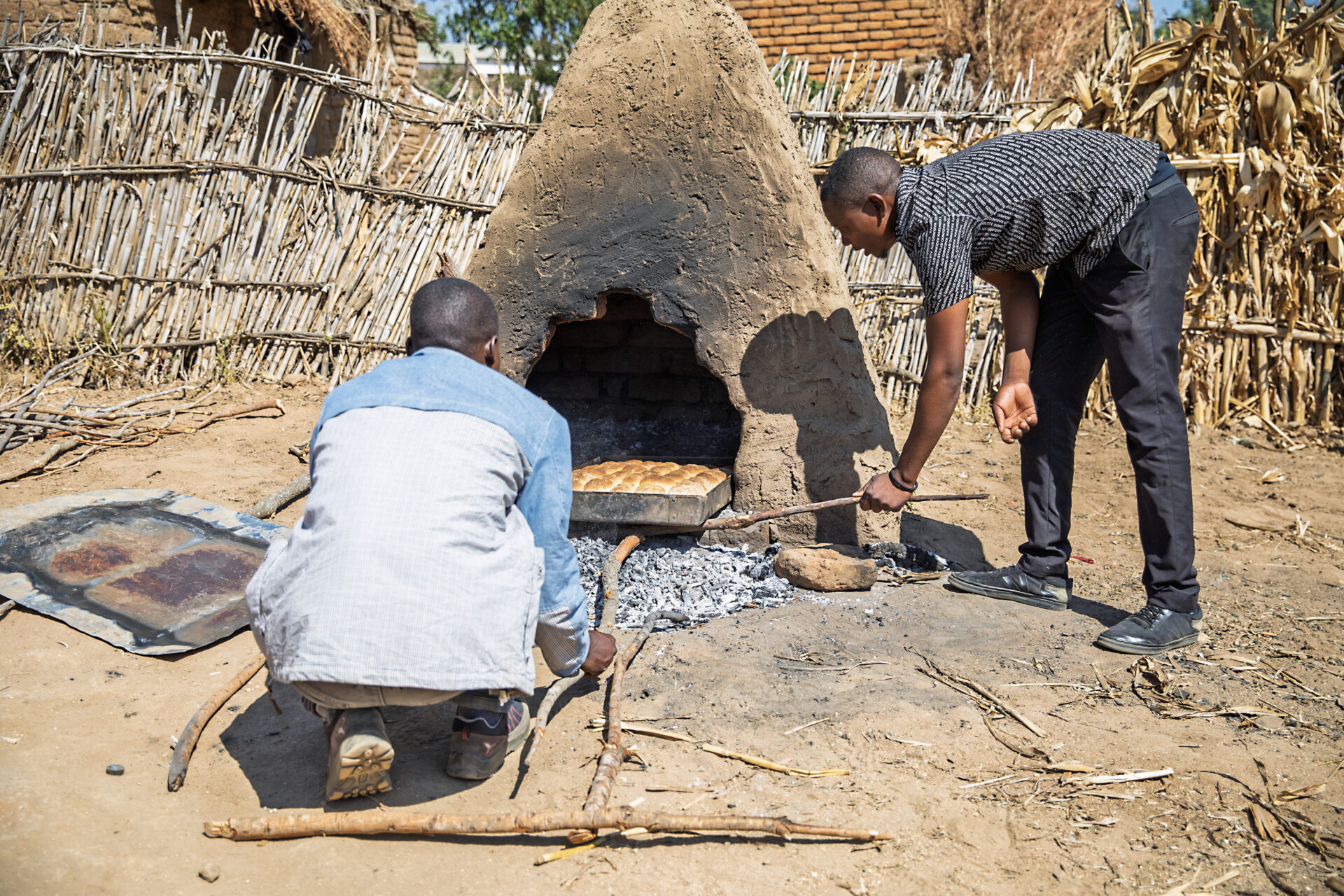
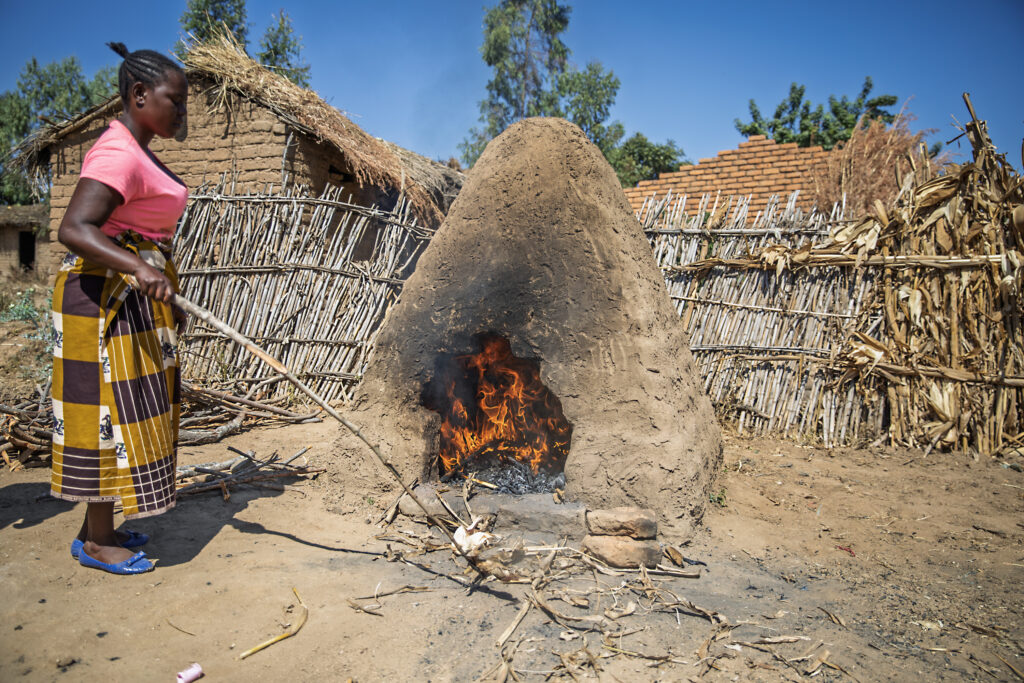
The smell of freshly baked bread fills the small village in Malawi. A group of young people gather around a large wood-fired oven as someone takes out a tray of steaming hot scones. Baking provides more than just food and an income. It is also helping to change the lives of women and girls – and opening the door to a future where child marriage no longer has to be an option.
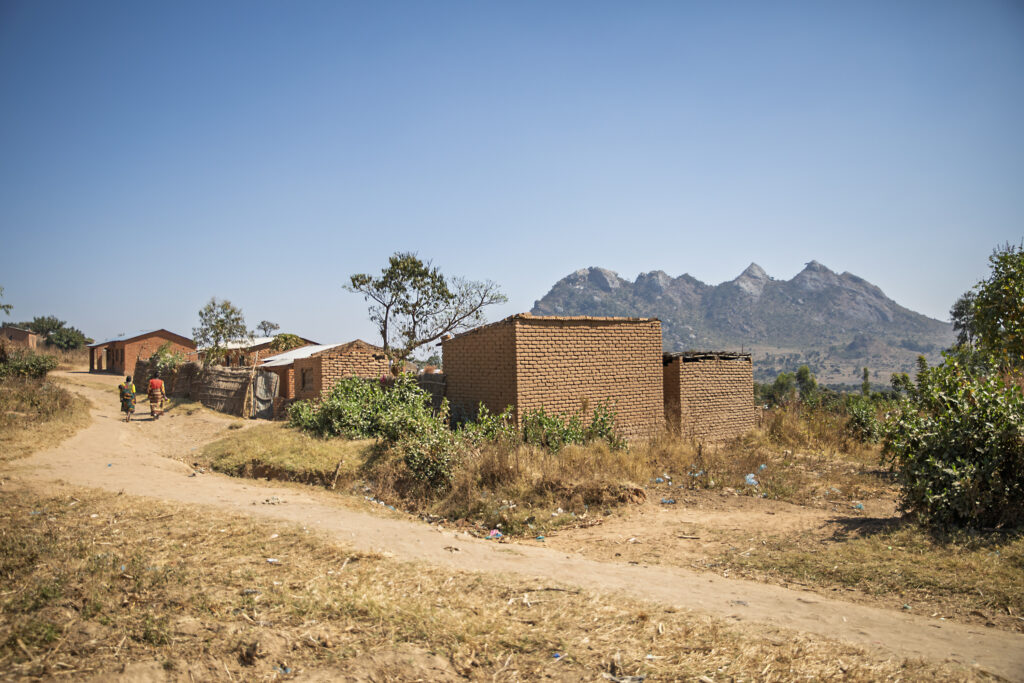
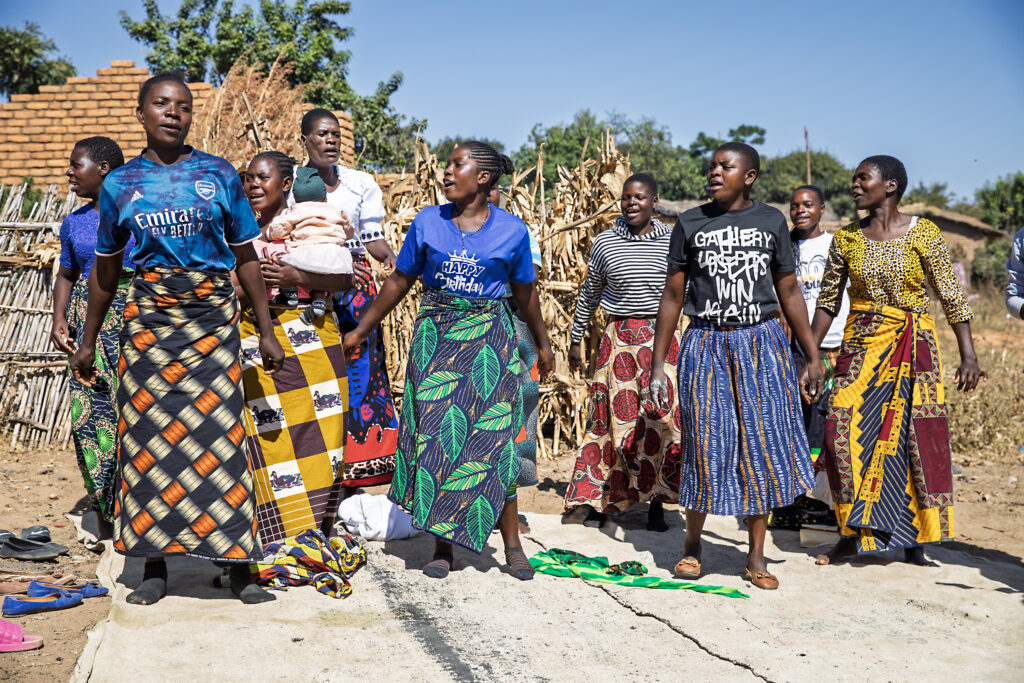
Flour-covered hands work confidently with the dough. Some shape the scones, while others keep an eye on the oven, and soon another tray is ready to go in. Here, among small brick houses and towering mountains in Dedza, southern Malawi, a group of women and young people have found new ways to earn a living. Through training in baking, farming and entrepreneurship, among other things, they have gained the tools to generate their own income. What began with a few training sessions has grown into a collaboration where knowledge is passed on from one person to another.
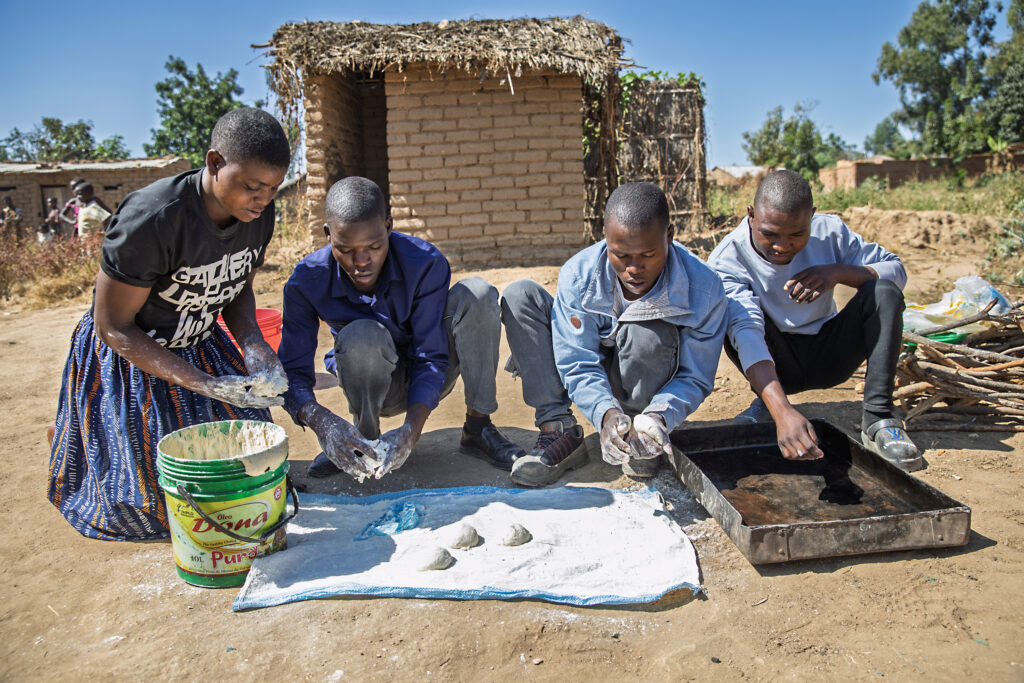
It all began back in 2017, when a group of committed individuals in the village decided to support those with the fewest opportunities in society. Their aims included preventing child marriage and helping girls return to school by strengthening the financial situation of vulnerable families.
Today, 83 people are organised into four groups that work together through a shared community hub. Since 2024, IM’s local partner organisation, YASD (Youth Action for Success and Development), has supported them through various training programmes and initiatives.
From Knowledge to Financial Independence
For Lucy Mawindo, the women’s group’s savings and loan scheme has been particularly important. It allows members to save money and borrow from one another to develop their businesses. Lucy, for example, borrows money to buy flour and other ingredients. She has also received training in tomato farming and entrepreneurship. By selling tomatoes on market days, she earns an income that helps her provide for her children and buy school supplies.
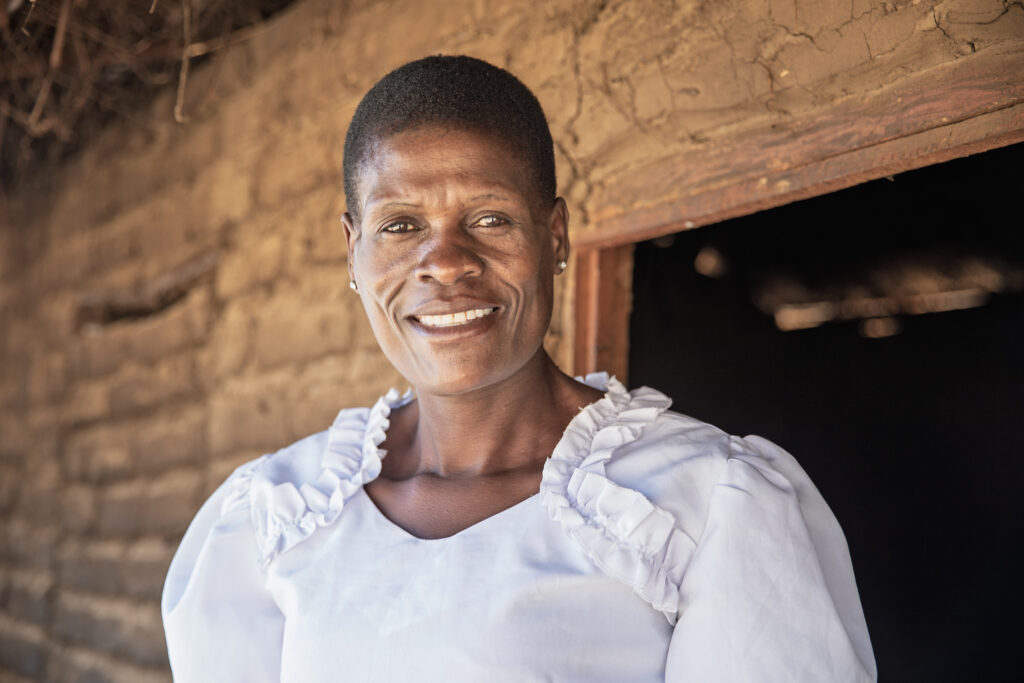
Now the group dreams of taking the next step and opening their own tea house. To make this possible, they need a larger oven that can bake more scones at a time.
“It is better to work together as a group. That way, we don’t have to compete with one another,” says one of the participants.
Finding the Courage to Speak Up
But the training is not just about learning how to bake and grow crops. An equally important part is strengthening people’s knowledge of their rights and how they can protect themselves and others from violence and abuse.
Through training in PSEAH (Protection from Sexual Exploitation, Abuse and Harassment), participants learn about sexual exploitation, harassment and physical violence. They also gain knowledge about how incidents of abuse should be reported.
In the past, violence within the family was often considered a private matter. Many people did not know where to turn for help, and the distance to the nearest police station makes it difficult for people to report crimes.
Lucy explains how she chose to act after the training when a neighbour was subjected to violence by her partner.
“Before, I thought these things were private family matters. But after the training, I understood that this is wrong and that it must be reported.”
She turned to the village leaders. The man was given a warning, but if the violence happens again, the case will be referred to the police.
Young men have also taken on an important role. One of them explains that his sister had been subjected to violence by her husband. After completing the training, he decided to confront him and make it clear that his behaviour was unacceptable.
The group also wants to develop local guidelines that clearly set out how violence and abuse should be addressed. Three village leaders are involved in this work.
A Different Future for Young People
For many girls and young women in Malawi, poverty is a major reason why they end up in vulnerable situations. Families who cannot afford to provide for all their children may send them to live with other households, where girls sometimes have to work as domestic servants far from home. Financial hardship can also make young women dependent on older men for their livelihood, increasing the risk of exploitation and early marriage.
That is why having an income of their own can mean so much more than money in their pockets. It can give women the opportunity to provide for their children, continue their education and make their own decisions about the future.
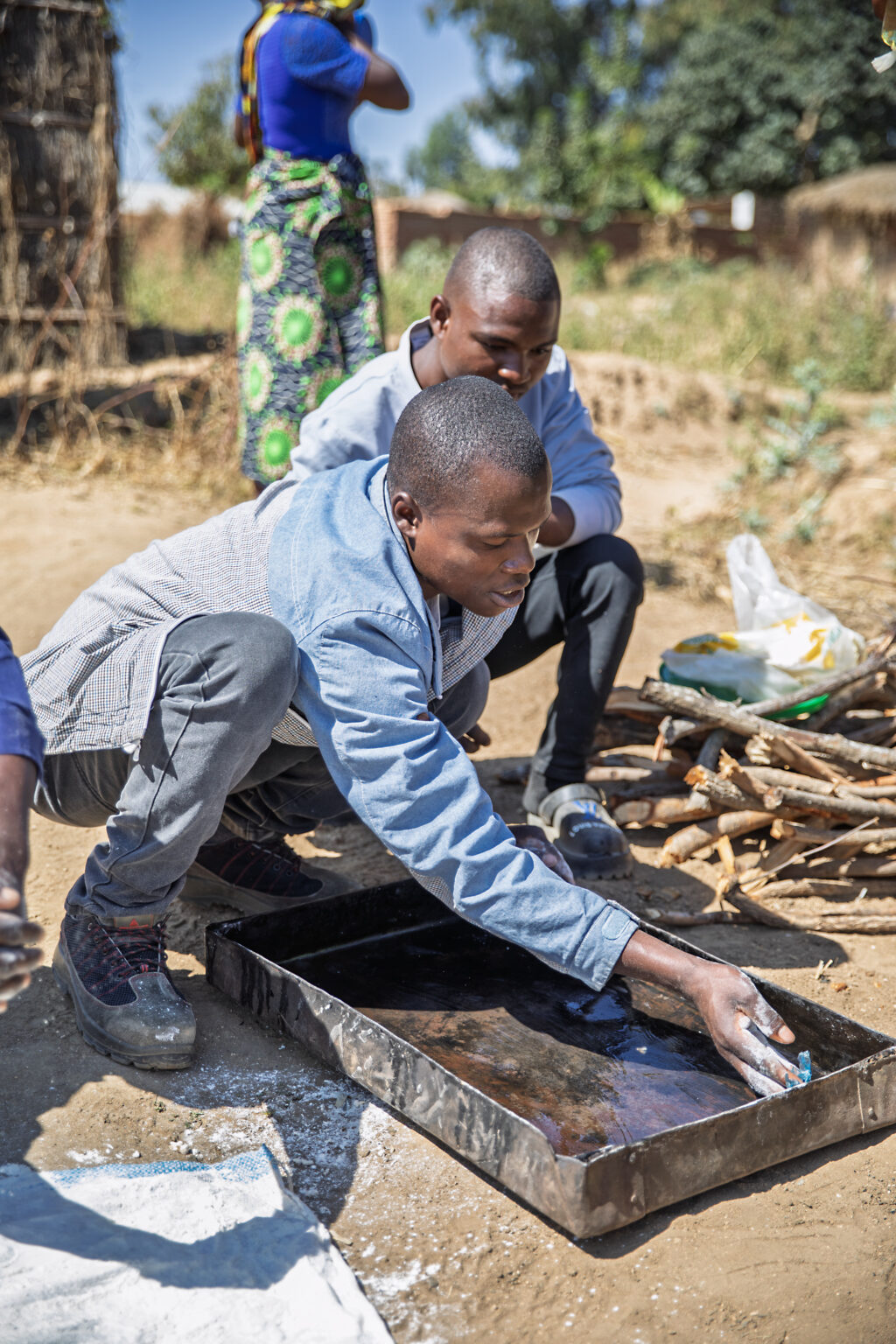
Blessings Kapolo is one of the young men whose opportunities have improved through baking. Selling bread earns him a profit of around 18,000 kwacha (approximately SEK 100) a week.
“I could have been stealing, but now I have my own money. I can buy clothes and look presentable,” he says.
The group reports that child and early marriages have decreased since 2024. They see a connection between greater financial security, increased awareness of rights and girls’ opportunities to stay in school.
Passing Knowledge On
An important part of the work is ensuring that participants themselves become carriers of knowledge. Those who receive training pass it on to others, take responsibility within their groups and help spread information throughout the village.
As the next step in the collaboration, YASD will provide each group with ten goats through a so-called pass-on system. This means that the goats will reproduce, and the kids born will eventually be passed on to other families in need of support. In this way, the initiative can grow and reach more households, giving them the opportunity to build their own livelihoods. The goats can also contribute to family incomes through the sale of animals and manure, which can be used to fertilise crops. It is a way of creating long-term opportunities, where support continues to spread from one family to another.
YASD also trains so-called paralegals – people with basic knowledge of law and human rights who can guide others when someone is subjected to abuse. But significant challenges remain. Many people cannot afford to travel to the police or a hospital, and access to legal assistance is limited. But the group has gained both the knowledge and the tools to begin changing their situation.
And perhaps that is the greatest change of all. That women can support themselves. That young people can see opportunities where previously there were none. And that more people dare to speak up when someone is being mistreated. All while sharing a common dream of opening a tea house.
Text and photos: Malin Kihlström