Election Day on Yaffa Street
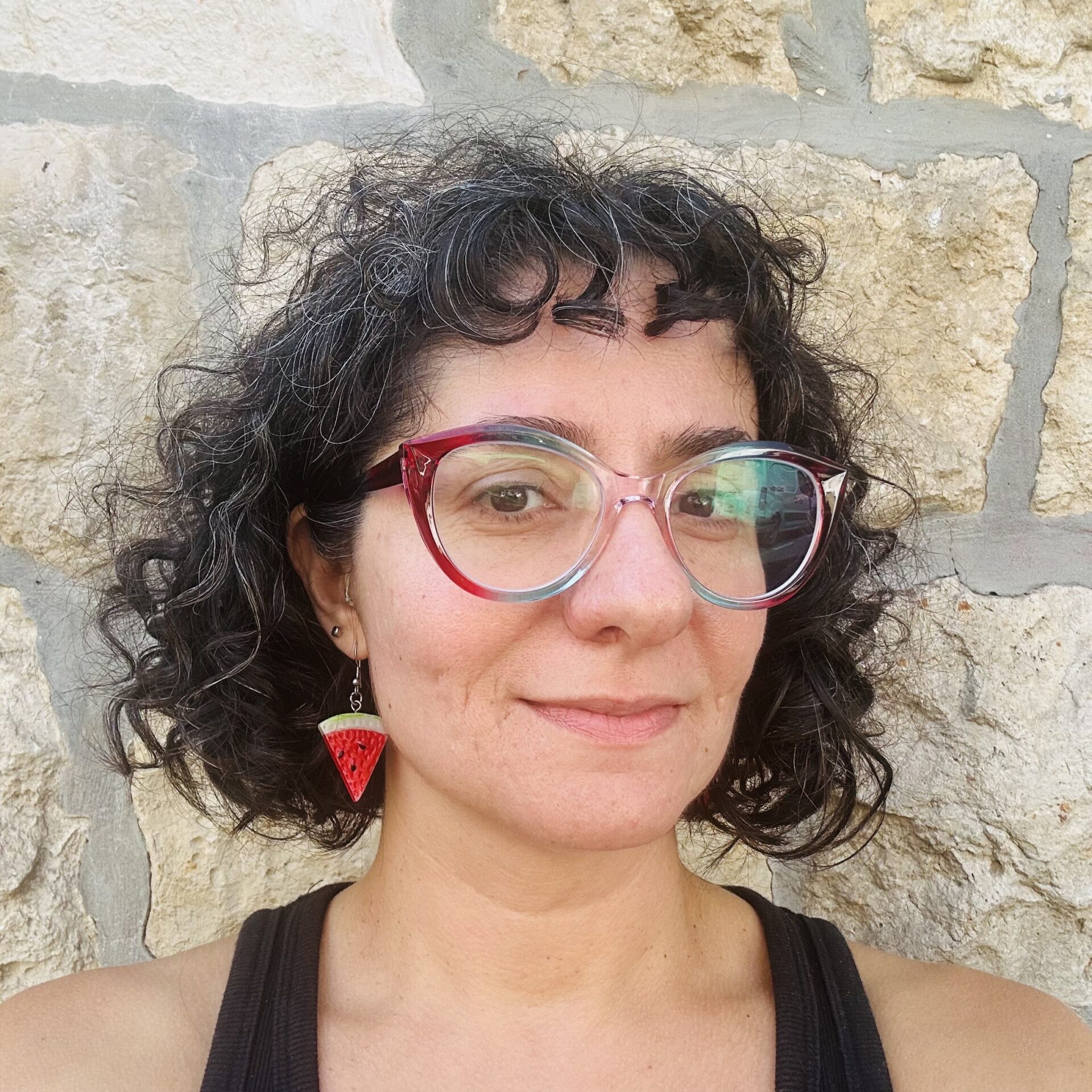
What does an election mean when systems of injustice remain unchanged? In this personal reflection, our IM colleague Yara Odeh shares her own perspective on the Israeli elections and what they mean for Palestinians. Writing from Ramallah and drawing on her own experiences, she connects the wider political landscape to the realities of everyday life under occupation. The views and reflections expressed in the text are her own.
Every election in the world matters to me as a Palestinian. I follow them because I want to believe the world can move towards justice. From Zohran Mamdani’s victory in New York to Lula in Brazil, and from the Swedish election to the UK Greens’ positions on Palestine, political shifts that challenge the status quo give me hope. But I have also learned how quickly hope can turn into disappointment when people gain power and abandon the positions that brought them there. Elections can also take us in the opposite direction, bringing to power those who deepen injustice, legitimise exclusion, and reinforce the very systems that deny people their rights.
Today, as Israelis vote, I think about what these elections mean for Palestinians. For Palestinians of 1948 (holders of Israeli passports), who are expected to participate in this election in unprecedented numbers, voting may be one of the few available avenues to make their voices heard, assert their political presence, and challenge the policies and discrimination shaping their lives. Amid escalating violence and growing attempts to marginalise them, their participation is not simply about choosing representatives. It is also an insistence on being heard in a political system that governs their lives while continuing to deny Palestinians their fundamental rights. But I cannot see this election simply as a choice between Israeli parties, as though a different government could, on its own, resolve the fundamental apartheid and injustice shaping Palestinian lives.It is not simply a matter of left versus right wing government.
The mass displacement of Palestinians in 1948 took place under predominantly left-wing Zionist leadership, while the destruction of Gaza and the mass killing of Palestinians today have unfolded under a far-right government. The political leadership has changed, but the dispossession of Palestinians has persisted. For Palestinians, the question is not only which political camp wins, but whether the system that denies us our rights will change.
Regardless of who wins, Palestinians will continue to live under occupation and apartheid. Land will be confiscated, settlers will continue to attack and terrorise communities and steal olive groves, prisoners will endure inhumane conditions, and Gaza will continue to bear the consequences of an ongoing genocide. An election result cannot undo these realities by itself.
Today, these questions are not distant political concerns. They have been unfolding around me, here in Ramallah, close to home..
Every Tuesday, I meet my colleagues Dalia and Randa at a café to work together. But today, Ramallah is sealed off at its entrances, Randa cannot join, so we canceled our in-person meeting. I came to the café anyway, after dropping my daughter at school. I am sick, so I skipped the gym. My husband went, then called to check on me and warn me that Israeli occupation forces had invaded the city.
I was sitting behind a massive window overlooking Yaffa Street, one of downtown Ramallah’s main streets, named after Jaffa, the Palestinian coastal city whose people were largely displaced in 1948. My husband asked what I could see. I told him I couldn’t see anything.
Then I said, half joking: I will guard the city today.
I will continue to follow elections, celebrate political shifts that challenge injustice, and feel disappointed when those who gain power abandon the principles that inspired hope. But I refuse to confuse political change with liberation.
For now, I am in Ramallah, looking out at Yafa Street, keeping an eye on the city.
Text: Yara Odeh