“I never thought war was possible in our time.”
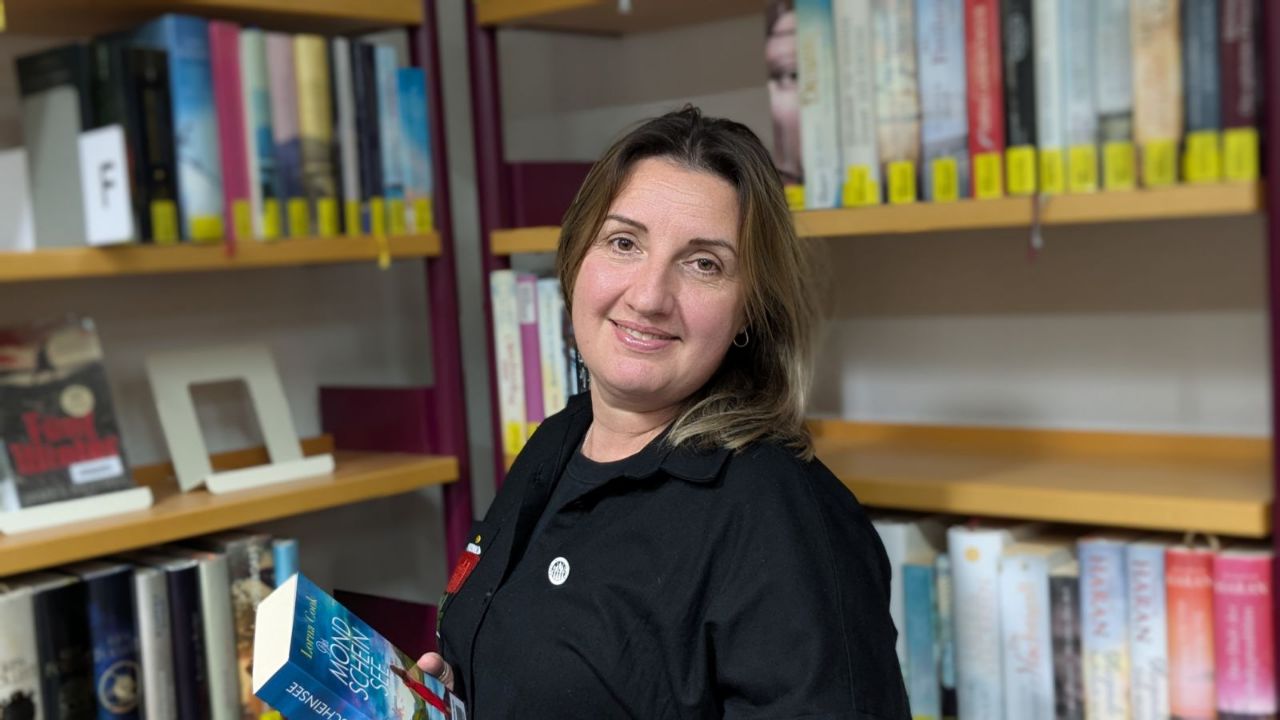
Olga Sapa is a psychologist and coach. When Russia launched its full-scale invasion of Ukraine, she was forced to flee Vasylivka in the Zaporizhzhia region, a town that is now under occupation. Together with her husband and their ten-year-old son, she left her home after several days of shelling, fear and uncertainty.
“I never thought war was possible in our time. And yet, suddenly we found ourselves in a basement with no electricity, no heating and no food,” she says.
On 24 February 2022 – Olga’s birthday – everything changed. In the first days she helped at a local crisis centre, distributing food and medicines and providing psychological support. At the same time, the security situation deteriorated rapidly. The family was forced to shelter in a basement, with no information about what was happening outside.
“After several days, my son looked at me and asked, ‘Mum, are they going to shoot us?’”
Shortly afterwards, Olga received a message: there was a chance to get out. On 4 March, the family set off, with almost no belongings and no idea where the road would lead.
The journey to safety
The journey took three days. The family slept in their car, in schools and nurseries that had opened their doors to people fleeing the fighting. They drove as far as they could, away from the front line. Along the way they met strangers who shared what little they had – food, warmth, kindness.
“Those small acts kept us going. They showed us we were not alone.”
When the family finally reached Chernivtsi in western Ukraine, Olga was able to breathe out for the first time in a long while. The city became their temporary home – a life still marked by uncertainty, but without the daily bombings.
Helping others – despite everything
In Chernivtsi, Olga continued doing what she does best: supporting people in crisis. As an internally displaced person herself, she began working with others who had been forced to leave their homes – especially families with children and people with disabilities, groups that are often overlooked amid the chaos of war.
There she came into contact with the civil society organisation Zahyst, one of IM’s partner organisations in Ukraine. Through Zahyst, Olga received psychosocial support herself and also became involved in the organisation’s work for internally displaced people, accessibility and inclusion.
“War hits hardest those who are already vulnerable. Without support, they risk becoming completely invisible.”
With support from Zahyst, Olga has delivered training sessions, provided counselling and taken part in efforts to make communities more accessible – not only physically, but socially as well. The focus is on people’s right to dignity, safety and participation, even in wartime.
When needs exceed resources
At the same time, the needs are immense. Many internally displaced people lack stable housing, an income, and access to healthcare and psychological support. For people with disabilities and older people, the lack of assistance can be directly life-threatening.
“Rebuilding is not only about houses and roads. It is about people. About making sure no one is left behind.”
Through partnerships with organisations such as Zahyst, IM can help ensure that support reaches those who need it most – people who have fled the war but who still struggle every day to cope with ordinary life.
The dream of returning home
Olga dreams of peace, of being able to return to her home and to the graves where her relatives are buried – places she has not been able to visit for several years. Until then, she continues her work in the midst of war.
“I don’t want to give up a single part of our country. Everyone should have the right to come home again.”
Olga Sapa’s story shows why humanitarian support to Ukraine remains crucial. The war continues, people are still being displaced, and the needs are urgent. With support from IM and partner organisations such as Zahyst, more people can receive the help they need to survive – and, one day, to begin again.
Text and photos: Zahyst
Edited by: Malin Kihlström
By: Malin Kihlström