“When support disappears, the situation for women and girls gets worse.”

How does reduced aid and international support affect women and girls around the world? And what difference does IM’s work make in people’s everyday lives? We asked three quick questions to colleagues from our countries of operation when they were all in Sweden last week. The answers are short — but they paint a clear picture of how women’s lives are affected by war, the climate crisis, poverty and discrimination, and why long-term support is still needed.
Malawi – “The risk of child marriage is increasing.”
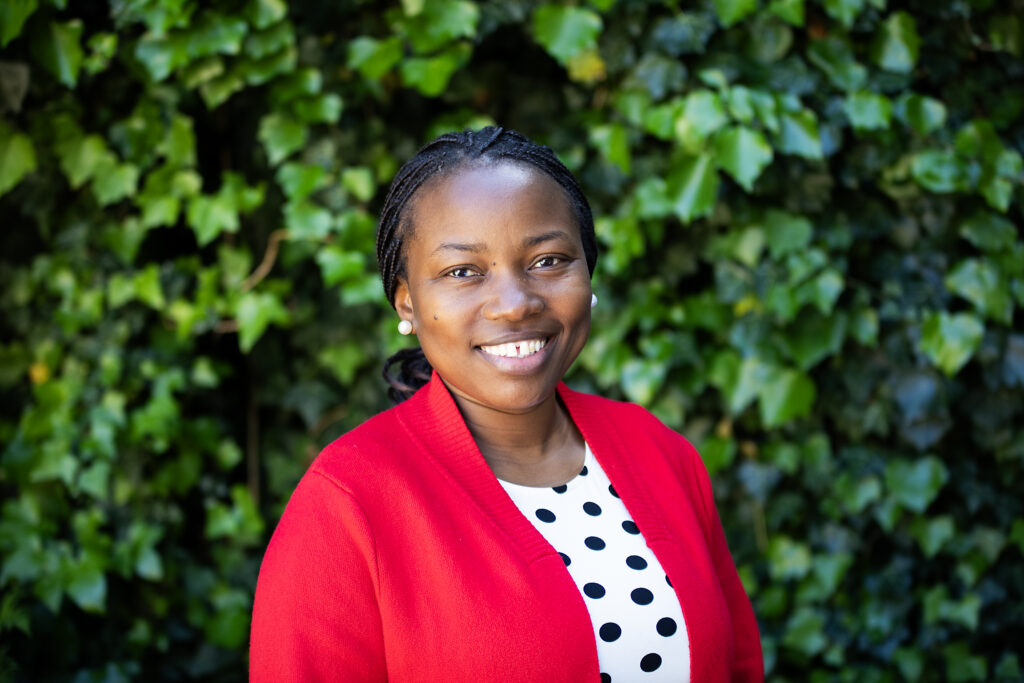
How does reduced aid affect women and girls in Malawi?
“Without international support, the situation for women and girls would deteriorate significantly. Child marriage would increase, and many more people would end up in economic hardship and poverty,” says Cynthia Simkonda.
What are the biggest challenges for women and girls right now?
“The climate crisis is making the situation even more difficult. When harvests fail, families have less food and lower incomes, and many girls are married off at an early age.”
What difference does IM’s work make?
“IM helps us organize and work together. Through our partner organizations, young people can mobilize to drive change and address social problems. We can work long-term instead of only reacting when crises arise.”
Ukraine – “Many women have become the main providers for their families.”
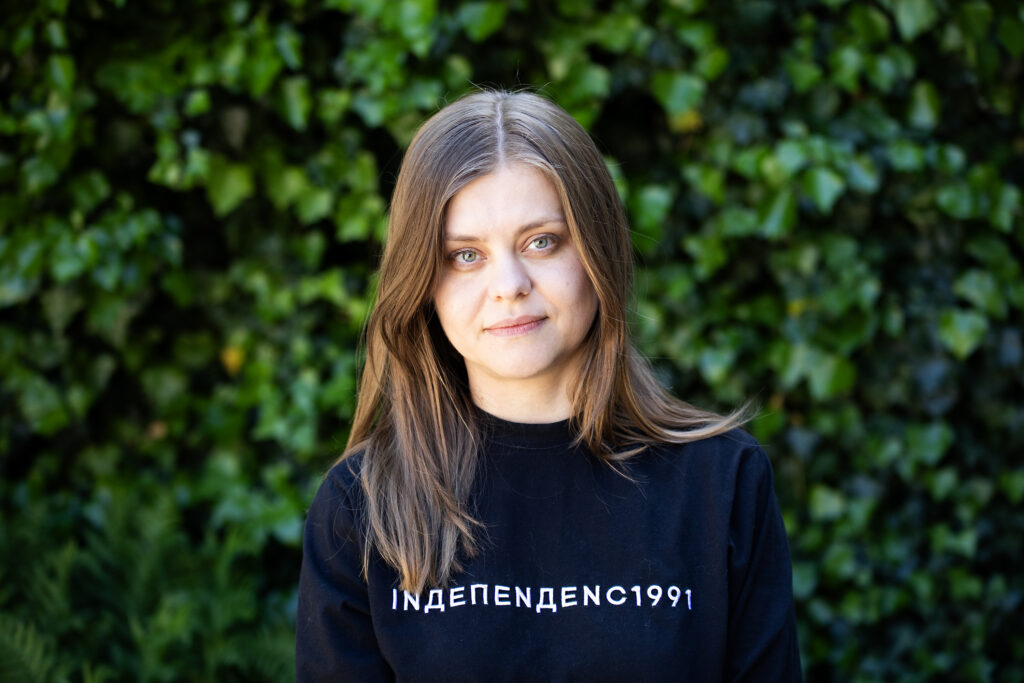
How does reduced aid affect women and girls in Ukraine?
“The war has forced people to flee within the country. Without international support, it becomes difficult for many to rebuild their lives and process the trauma caused by the war,” says Daria Kuznetsova in Ukraine.
What are the biggest challenges for women and girls right now?
“Many have lost their homes and have had to start over in new communities. Women must find work, support their families, and at the same time care for children and elderly relatives. Many men are at the front line, have been killed, or are missing. People with disabilities also face major barriers because shelters and public services are often inaccessible.”
What difference does IM’s work make?
“IM supports organizations working with young people who have been displaced by war. Girls who have been forced to leave their homes receive support to adapt to new schools and environments, learn about their rights, and make their voices heard in society.”
Palestine – “Women risk losing their independence.”
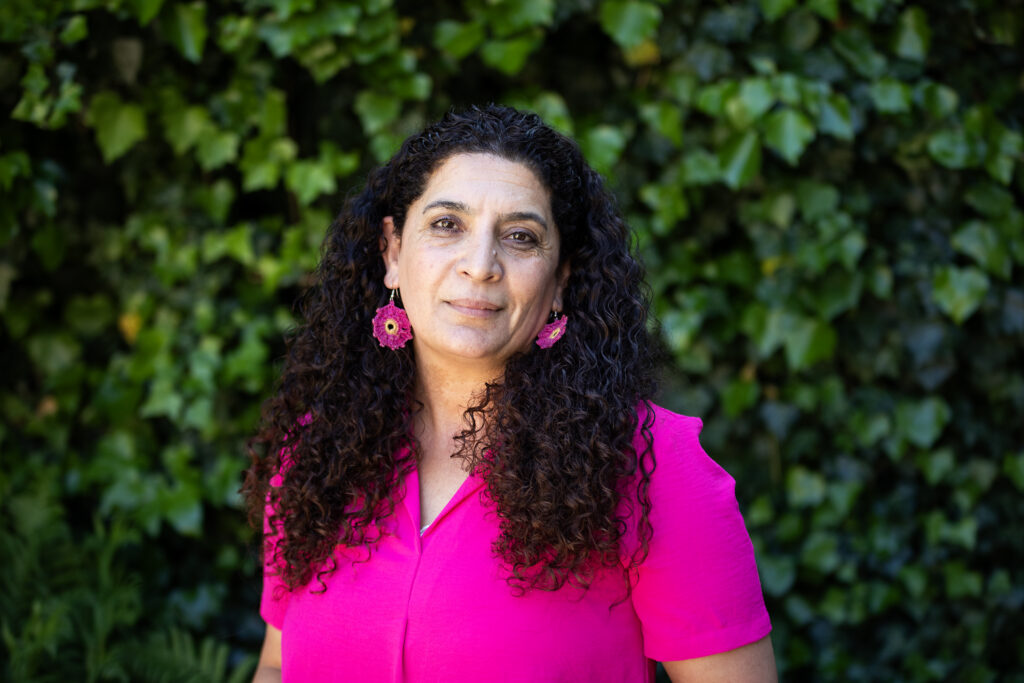
How does reduced aid affect women and girls in Palestine?
“Without international support, women risk losing both their economic independence and their right to make their own decisions. Violence against women would also increase,” says Randa Salhout.
What are the biggest challenges for women and girls right now?
“The Israeli occupation affects everyday life in every way. Women face violence, insecurity on the roads, and attacks from settlers. At the same time, job opportunities are limited, and men are often prioritized in the labor market.”
What difference does IM’s work make?
“Women and girls become stronger and more independent. They are given opportunities to express their opinions and create more possibilities for themselves in society.”
Moldova – “Support creates change and opportunities.”
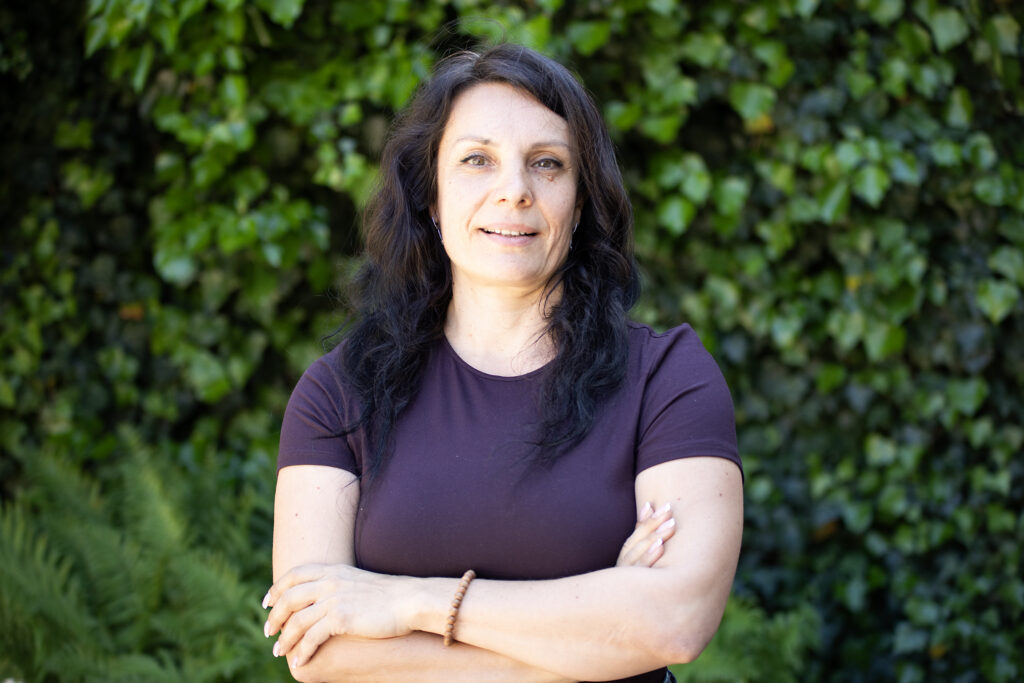
How does reduced aid affect women and girls in Moldova?
“If support decreases, more young people will leave the country in order to support their families. This affects society as a whole as the population ages and important institutions are weakened,” says Victoria Resetnic in Moldova.
What are the biggest challenges for women and girls right now?
“Women with disabilities are often discriminated against and struggle to find employment or access basic rights. At the same time, women in general face widespread economic vulnerability.”
What difference does IM’s work make?
“Through IM’s support, organizations have been able to influence authorities and push through changes, such as the right to parental leave for men as well. We also see women with disabilities becoming empowered and gaining employment.”
Guatemala – “Indigenous women face racism and discrimination.”
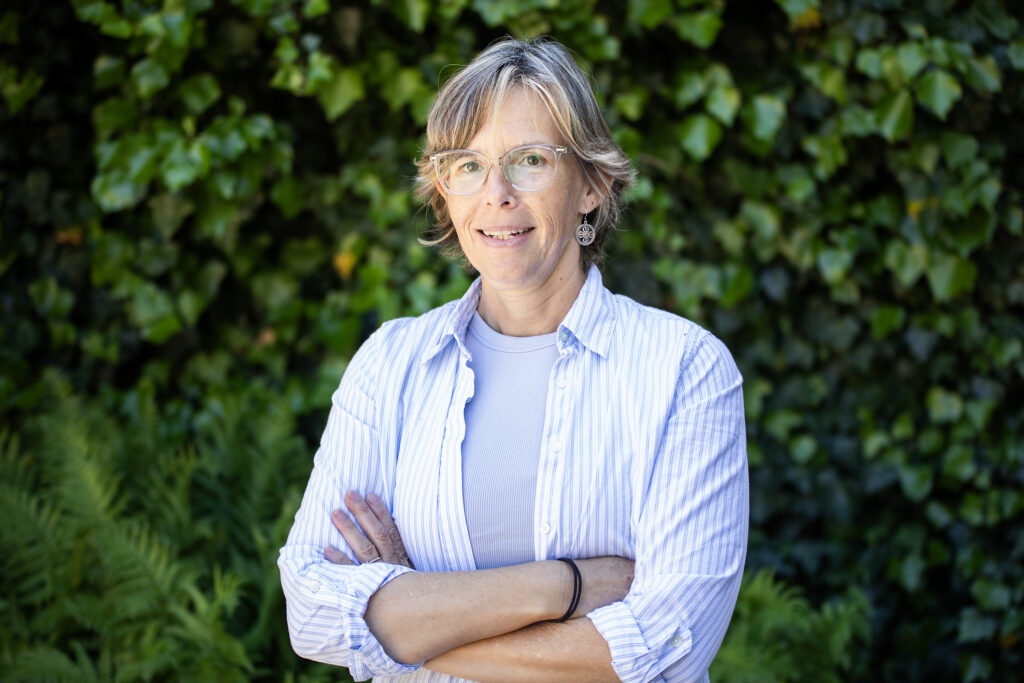
How does reduced aid affect women and girls in Guatemala?
“Women and young people risk losing opportunities for income, education, and sexual and reproductive health and rights. Particularly vulnerable groups lose the chance to have their rights fulfilled,” says Montserrat Deu Pons.
What are the biggest challenges for women and girls right now?
“Indigenous women face both racism and discrimination. Society is patriarchal and sexist, both in the home and on a structural level. Many women lack economic opportunities and independent livelihoods.”
What difference does IM’s work make?
“Women gain knowledge about their rights and are able to put words to the inequality and violence they experience. They receive tools to change their lives and their communities.”
Although the situations differ in Malawi, Palestine, Ukraine, Moldova, and Guatemala, the message is clear: when aid is reduced, women and girls are affected first. At the same time, the responses show how long-term support for local organizations can create security, rights, and hope for the future.
Text: Malin Kihlström